Networking Events
Tuesday January 19, 2027
5:25 am: Networking Reception in the Exhibit Hall with Poster Viewing
5:45 pm: Women in AI Meet-Up
Co-moderators:
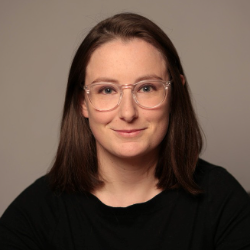 Kristine Deibler, PhD, Director, Molecular Artificial Intelligence, Novo AS
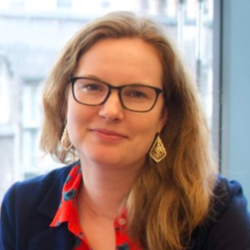 Franziska Seeger, Senior Director, AI for Drug Discovery, Genentech Inc
Join us for the inaugural Women in AI Meetup, an informal networking gathering celebrating the women helping shape the future of AI in biologic drug discovery and research. This open and welcoming session brings together wet-lab and computational scientists, technologists, data leaders, entrepreneurs, and industry decision makers to exchange ideas, share experiences, and build meaningful professional connections at the intersection of AI and biologics. All are welcome.
Wednesday January 20, 2027
10:35 – 11:10 am: Speed Networking
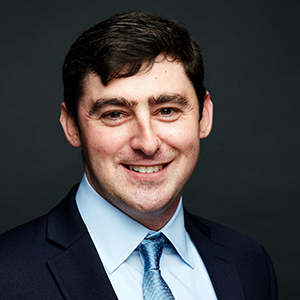 Moderator: Kevin Brawley, Project Manager, Production Operations & Communications, Cambridge Innovation Institute
Bring yourself and your business cards or e-cards, and be prepared to share and summarize the key elements of your research in a minute. PEGS AI will provide a location, timer, and fellow attendees to facilitate the introductions.
4:35 – 5:05 pm: Women in Science Meet-Up
 Moderator: Deborah Moore-Lai, PhD, Vice President, Protein Sciences, ProFound Therapeutics
Join us for an inspiring Women in Science Meet-Up, an inclusive meet-up designed to connect, uplift, and celebrate women across all stages of their scientific careers. Engage in meaningful conversations, share your journey, and gain insights from trailblazing women shaping the future. Whether you're a newcomer or a seasoned professional, we invite you to join us and build a supportive network, foster mentorship, and discuss opportunities and challenges unique to women in the field. All are welcome!
5:40 – 6:10 pm: Interactive Breakout Discussions
Interactive Breakout Discussions are informal, moderated discussions, allowing participants to exchange ideas and experiences and develop future collaborations around a focused topic. Each discussion will be led by a facilitator who keeps the discussion on track and the group engaged. To get the most out of this format, please come prepared to share examples from your work, be a part of a collective, problem-solving session, and participate in active idea sharing. Please visit the Interactive Breakout Discussions page on the conference website for a complete listing of topics and descriptions.
TABLE: What Constitutes True de novo Design vs. Optimization and Best Ways to Test/Characterize?
 Moderator: Monica L. Fernandez-Quintero, PhD, Associate Professor, Department of Microbiology and Immunology, Novo Nordisk Foundation Initiative for Vaccines and Immunity (NIVI)
- Overview of current tools
- Defining true de novo vs. optimization
- Best tests and metrics of design success
- Open challenges
- Open challenges
TABLE: De novo Design: Commercial vs. Open-Source Options
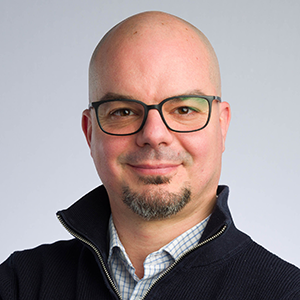 Moderator: Roberto Spreafico, PhD, Senior Director, Biologics AI Innovation, AstraZeneca
- Performance of commercial vs. open solutions: today and tomorrow
- Business motivations for picking commercial vs open solutions: beyond predictive performance
- In 5 years: towards a database of designed antibodies available off the shelf?
- Will in silico design replace or augment traditional wet-lab discovery? What is next?
TABLE: Matching AI/ML Strategy to Target Knowledge: From Function-First Discovery to AI/ML-Enhanced Mechanistic Drug Characterization and Development
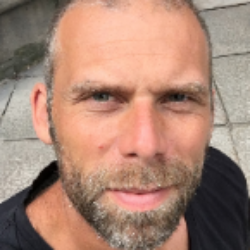 Moderator: Björn L. Frendeus, PhD, CSO, BioInvent International AB
- Where AI/ML delivers the most value today when target mechanism or pathway is well understood
- Where AI/ML delivers the most value when mechanism or pathway information is limited or unknown
- How function-first, target-agnostic screening can be used to discover the unexpected
- How AI/ML can be used to enhance the characterization and development of drugs uncovered through these approaches
TABLE: Post Training and Reinforcement Learning for Large Foundation Models
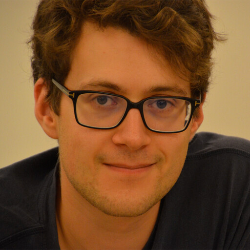 Moderator: Frédéric Dreyer, PhD, Principal ML Scientist, Prescient Design, Genentech
- Comparing post training approaches for adapting large foundation models to biologics specific data, tasks, and development objectives
- Designing reinforcement learning strategies, reward functions, and feedback mechanisms that guide models towards improved molecular performance
- Integrating experimental results into iterative learning cycles while addressing data quality, reward bias, model reliability, and scalability