Warning! Web API Url is not set for the Speaker Bios.
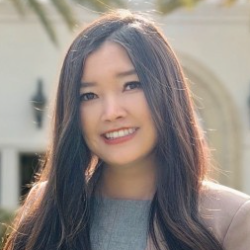 Green Ahn, PhD, Assistant Professor, Chemistry, University of Washington
Assistant Professor
University of WashingtonGreen is joining the Institute for Protein Design and the Department of Biochemistry at the University of Washington as an assistant professor in January 2027. Green received her PhD at Stanford University under the mentorship of Prof. Carolyn Bertozzi, where she co-developed lysosome targeting chimeras (LYTACs), a first-in-class platform for degrading extracellular and membrane proteins. She then completed her postdoctoral training in Prof. David Baker's laboratory, where she co-developed de novo endocytosis-triggering proteins that expanded the scope of targeted extracellular degradation and demonstrated in vivo efficacy in tumor models. She also led the development of computational approaches for rationally encoding pH sensitivity into designed proteins, producing proteins that act selectively in acidic vesicles and the tumor microenvironment. Green is the recipient of the 2026 Burroughs Wellcome Fund's Career Awards at the Scientific Interface (CASI) award, which supports her independent research program.
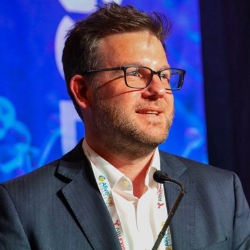 Daniel Barry, Senior Conference Director, Cambridge Healthtech Institute
Senior Conference Director
 Surge Biswas, PhD, Founder & CEO, Nabla Bio, Inc.
Founder & CEO
Nabla Bio IncSurge is a co-founder and the CEO at Nabla Bio, an antibody design company. Surge received his PhD from George Church’s lab. There, he and his colleagues pioneered the development of protein language modeling, a technology that has been central to state-of-the-art protein structure prediction and machine learning-guided protein design. Outside of Nabla, Surge enjoys hanging out with his wife and Nabla co-founder, Frances, and their two dogs, Archie and Riley.
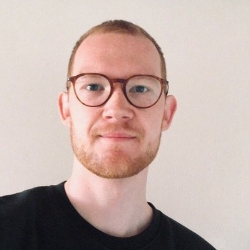 Lasse Møller Blaabjerg, PhD, Data Scientist, Discovery Data Science, Genmab
Scientist
GenmabLasse Møller Blaabjerg works as a Data Scientist in the Discovery Data Science department in Genmab, Copenhagen. At Genmab, Lasse’s work focuses on the use of machine learning for improved antibody engineering. Lasse holds a PhD from the University of Copenhagen with a focus on machine learning methods for understanding protein stability and function.
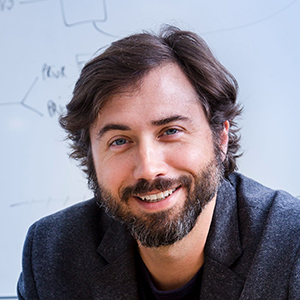 Richard A. Bonneau, PhD, Vice President, Drug Discovery, Prescient Design, a Genentech Co.
VP
Prescient Design a Genentech CoRichard Bonneau is a computational biologist and data scientist who now leads Computational Drug Discovery in the Computational Sciences division at Genentech. This effort centers on pioneering new methods for combining machine learning and molecular modeling to power drug discovery. His past research spans multiple levels of biological structure and includes: learning biological networks, designing protein, biomimetic chemical biology and exploring social networks. He received his PhD at the University of Washington, Seattle, studying under Dr. David Baker, where he pioneered new methods to predict biomolecular structures. His postdoctoral training was completed at the Institute for Systems Biology, working with Leroy Hood. Dr. Bonneau has been a professor at NYU jointly appointed in the Computer Science and Biology departments. He was a founding member or co-founder of the RosettaCommons, The Center for Data Science at NYU, the Simons Center for Data Analysis (which evolved into the Flatiron institute) and recently co-founded Prescient Design (acquired by Genentech). Dr. Bonneau is excited to be part of Genentech’s effort to revolutionize molecular design and drug discovery with computational advances.
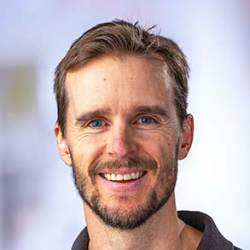 Philip H. Bradley, PhD, Professor, Public Health Sciences Division, Program Head, Herbold Computational Biology Program, Fred Hutch Cancer Center
Professor
Fred Hutch Cancer CenterDr. Phil Bradley is a computational biologist who studies the 3-D structures of proteins, the nano-sized molecular machines that power nearly all of life’s processes. He develops software to visualize and predict how one kind of protein will interact with another protein or with molecules such as RNA and DNA, which carry genetic information. He is a leading figure in the new field of de novo protein design, in which scientists envision and build proteins unlike anything found in nature. He and colleagues at Fred Hutch and the Institute for Protein Design at the University of Washington have designed proteins that close in on themselves, forming rings that resemble tiny donuts. Their elegant, symmetrical structure may serve a host of medical applications. Dr. Bradley and colleague Dr. Barry Stoddard are working with Hutch immunotherapy researcher Dr. Stanley Riddell and vaccine expert Dr. Larry Corey to explore the use of these donut proteins as molecular backbones for therapeutics. Their experiments will test whether the modular structure of donut proteins can support and deliver multiple copies of the active biochemicals that make drugs or vaccines work, improving their performance. He continues research he began as a postdoctoral fellow at UW developing Rosetta, a world-leading software tool for designing protein structures and predicting protein interactions. Dr. Bradley is currently working on computer programs to predict how selectively and precisely proteins will bind with DNA and with protein snippets called peptides. These molecular interactions are essential for life and occur continually inside every one of the trillions of cells in our bodies.
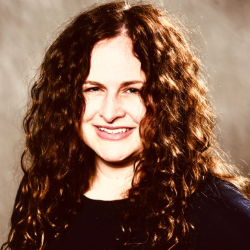 Vanessa Braunstein, Senior Director, TuneLab AI Drug Discovery Platform, Eli Lilly and Company
Senior Director
Eli Lilly & CoVanessa has spent her academic and business career exclusively in life sciences & healthcare. She has worked at large pharma/biotech/tech companies such as Sanofi, Abbott, and NVIDIA and start-ups such as Ingenuity Systems (acquired by Qiagen) and Fabric Genomics (acquired by GeneDx). Vanessa is currently Senior Director at Eli Lilly focused on the Lilly TuneLab AI/ML Platform for accelerating drug discovery. Vanessa began her career in academics and clinical research in molecular and cell biology and public health at UC Berkeley and UCSF and then transitioned to roles building new products, strategic alliances, commercial ecosystem growth in AI and life sciences.
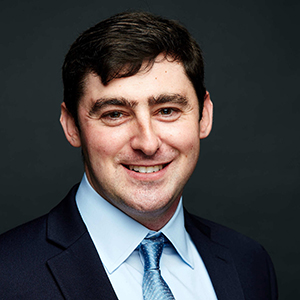 Kevin Brawley, Project Manager, Production Operations & Communications, Cambridge Innovation Institute
Project Mgr
Cambridge Innovation Institutetest bio
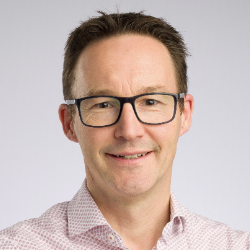 Andrew Buchanan, PhD, FRSC, Head of Discovery, Stealth Mode Biotech
SVP and Head of Discovery
Biotech in Stealth ModeAndrew Buchanan is SVP and Head of Discovery at a stealth-mode biotechnology company. He has extensive expertise in large molecule drug discovery and development, spanning target selection through first-in-human (FiH) studies. Andrew has led pipeline projects and multifunctional teams that have delivered over 20 FiH drug candidates in oncology, inflammation, and cardiovascular therapy areas, resulting in three marketed medicines to date. A key highlight of his career has been fostering interdisciplinary collaborations with academic and industry partners in AI/ML, PKPD, and translational biology. These efforts have led to new partnerships and over 50 original publications and patents. As a science leader, Andrew is passionate about mentoring early-career scientists and advancing the development of tomorrow’s medicines.
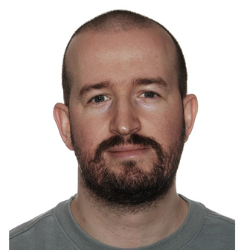 Dan Cannon, PhD, Head of Biologics Modelling, Schrödinger
Director, Head of Biologics Modelling
SchrödingerDan Cannon is Head of Biologics Modelling at Schrödinger, where he leads the development of the company's biologics modelling platform and its biologics design services. His work applies physics-based simulations to predict how mutations and modifications influence molecular properties like stability, affinity, pH sensitivity and developability, supporting biotech and pharmaceutical teams in the design of therapeutic proteins, peptides and new modalities. He previously worked at MedImmune (now AstraZeneca) in Cambridge, UK, on the in silico design and optimisation of biologics and holds a Ph.D. from the University of Strathclyde in Glasgow, UK. Dan continues to develop and publish on novel computational approaches to the rational design of biologics.
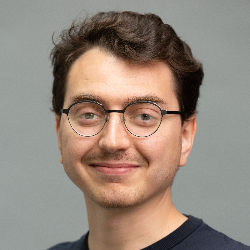 Leonardo V. Castorina, PhD, Senior ML Engineer, Apheris
Senior ML Engineer
ApherisLeonardo Castorina is a Senior ML Engineer at Apheris, where he works on AI for antibodies, with a focus on antibody/antigen co-folding. He completed his PhD in Machine Learning for Protein Design at the University of Edinburgh, where he developed deep learning methods to make protein design faster and more interpretable, including TIMED-Design, for protein sequence design, and Tessera, a fragment-based representation that accelerates structural search and guides functional backbone generation. At AstraZeneca, he worked on AI for antibody design, multispecifics pairing prediction, and fast surface comparison and analysis. Leo has also worked extensively on machine learning for immune recognition, studying how HLA alleles shape T-cell receptor repertoires at Microsoft Research and developing models for TCR-pMHC binding prediction at NEC Laboratories Europe.
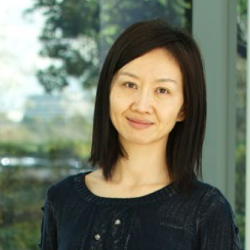 Qing Chai, PhD, Assistant Vice President, Computational Science, Biotechnology Discovery Research, Eli Lilly and Company
AVP
Eli Lilly & CoI am a passionate drug developer, with wide range experience in protein chemistry, structural biology, protein engineering, computational biology & biophysics. I lead team combining data science and experimentation to accelerate biologics discovery and development for unmet medical needs.
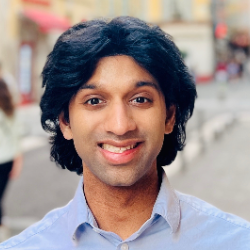 Pranam Chatterjee, PhD, Assistant Professor, Bioengineering, University of Pennsylvania
Assistant Professor
University of PennsylvaniaPranam Chatterjee is an Assistant Professor of Bioengineering and Computer and Information Science and the Africk-Lesley Distinguished Scholar of Innovation at the University of Pennsylvania. Having earned his SB, SM, and PhD from MIT, Professor Chatterjee has received the MIRA Award, Hartwell Individual Biomedical Research Award, and multiple NIH and foundation grants for his work. He has also co-founded Gameto, Inc., UbiquiTx, Inc., AtomBioworks, Inc., and Recognition Bio, Inc., which translates his research into fertility solutions, RNA medicines, and cancer therapeutics, respectively.
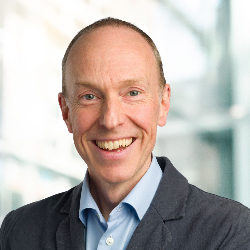 Simon Chell, PhD, Vice President, Biologics Engineering, AstraZeneca
VP Biologics Engineering
AstraZenecaI am a leader in drug discovery, with a background in large and small molecule medicine creation. I particularly enjoy global cross-functional team leadership, and have extensive experience in innovative collaboration models, international department management and delivering major public-private alliances in life sciences research. I have led the creation of clinically impactful therapies across all major disease areas, and have a particular passion for exploring how novel data, automation and machine learning techniques can enhance biologics drug discovery and design.
I obtained my PhD at Bristol University studying the function of prostaglandins in colorectal tumorigenesis. Subsequent research into fundamental tumour biology at the Babraham Institute (Cambridge, UK) and the Friedrich Miescher Institute (Basel, Switzerland) led me to joining GSK in 2007 where I led biologics drug discovery teams in roles of increasing scientific responsibility – the most recent being Senior Scientific Director for GSK’s clinical research activities in sub-Saharan Africa. I joined AstraZeneca in 2018 to lead UK & US Discovery Biology; responsible for the delivery of therapeutic programs, technological innovations and new drug formats through a multidisciplinary department incorporating cell, molecular, biochemical and protein sciences.
I am currently Vice President of Biologics Engineering at AstraZeneca, where I lead an international team responsible for the discovery and early development of AstraZeneca's biologics medicines - across a portfolio including multiple drug formats (such as antibodies, multi-specifics, drug conjugates, antibody fragments, peptides and cell therapies) and multiple disease areas. My current focus is on embedding novel data, automation and machine learning-enabled capabilities within our established discovery workflows.
I am a Fellow of the Royal Society of Biology, an advisory board member of Apollo Therapeutics and a General Counsel member of the European Laboratory Research Innovation Group (ELRIG).
 Bowen Dai, PhD, Advisor, Computational Biology, Eli Lilly and Company
Advisor
Eli LillyBowen Dai, PhD, is an Advisor in Computational Biology within BioTDR at Eli Lilly, where he develops foundation models and pipelines spanning de novo design and multi-objective optimization for antibody design and lead optimization. Before joining Lilly, he was a Senior Scientist in Machine Learning at Bristol Myers Squibb, applying protein language models to antibody engineering. Bowen holds a PhD in Computer Science from Dartmouth College, with research in geometric deep learning for computational biology. His work bridges cutting-edge machine learning research with the practical demands of biologic drug discovery.
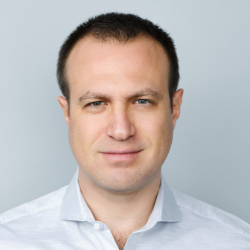 Ittai Dayan, MD, Partner, FAiTE Consortium (Federated AI Therapeutic Engineering); Co-Founder & CEO, Rhino Federated Computing
CoFounder & CEO
Rhino Federated ComputingDr. Ittai Dayan is the CEO of Rhino Federated Computing, a company transforming the way data is used for creating and deploying Artificial Intelligence solutions in regulated industries. A pioneer of bringing privacy preservation technologies into regulated industries, Dr. Dayan previously served as the Executive Director at Mass General Brigham’s Center for Data Science and held managerial roles at Boston Consulting Group. Dr. Dayan graduated from the Johns Hopkins Bloomberg School of Public Health and earned his MD and his Bachelor of Science degrees from The Hebrew University of Jerusalem. He also serves on the Editorial Board of Nature Digital Medicine.
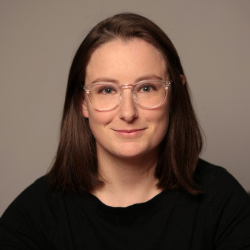 Kristine Deibler, PhD, Director, Molecular Artificial Intelligence, Novo AS
Director
Novo ASKris is the Director of Molecular AI in AI and Digital Innovation at Novo. She is leading a global area focused on the development and implementation of AI/ML methods for therapeutic design and optimization across modalities. Molecular AI is actively developing Novo –tailored foundation models to enhance molecular representation, predict biophysical properties linked to developability and potency, and develop advanced generative AI methods in molecular design and optimization. Before joining Novo Nordisk, Kris trained as an organic chemist and earned her Ph.D. in Organic Chemistry from Northwestern University. She pivoted her research focus to computational molecular design during her postdoctoral fellowship with David Baker, where she specialized in designing peptidomimetic GPCR agonists. During this time, she developed innovative computational methods for designing macrocyclic peptides that incorporate non-canonical amino acids. Kris is not only passionate about developing innovative AI methods but is even more driven by the pursuit of discovering impactful therapeutics.
 Frédéric Dreyer, PhD, Principal ML Scientist, Prescient Design, Genentech
Principal ML Scientist
GenentechFollowing a PhD in theoretical physics at CERN, I worked as a scientist at MIT and the University of Oxford pursuing research at the interface between machine learning and high energy physics, before joining a language understanding team at Meta AI. I then worked at Exscientia, where I led a team of AI researchers on a range of projects across small molecules and biologics, before joining Genentech and Prescient Design in 2024.
 Hunter Elliott, PhD, Vice President, AI/ML, BigHat Biosciences
Sr. Director Machine Learning
BigHat BiosciencesHunter is an interdisciplinarian with a decade of experience developing machine learning tools to solve biomedical research problems. Moving from biophysics into computer vision during his PhD research at The Scripps Research Institute and Harvard Medical School, he then founded and led the Image and Data Analysis Core at Harvard Medical School. He was an early member of PathAI where he helped build the machine learning tech, platform, and team and led ML research. At BigHat he has developed novel predictive and generative methods for antibody engineering before recently taking on leadership of ML.
 M. Frank Erasmus, PhD, Head, Bioinformatics, Specifica, an IQVIA business
Director/Head
Specifica, Inc.M. Frank Erasmus is the head of bioinformatics at Specifica, Inc. where he specializes in the use of next-generation sequencing technologies and software development to aid in the design of and selection from therapeutic antibody libraries. Formerly, Frank was awarded a national fellowship from the National Cancer Institute for his translational research associated with B cell precursor acute lymphoblastic leukemia conducted at the Spatiotemporal Modeling Center and Los Alamos National Labs. He brings over 13 years of experience in both biotechnology and academic settings in the development and characterization of therapeutic antibodies using theoretical modeling, bioinformatics, and experimental approaches.
 Monica L. Fernandez-Quintero, PhD, Associate Professor, Department of Microbiology and Immunology, Novo Nordisk Foundation Initiative for Vaccines and Immunity (NIVI)
Associate Professor
Novo Nordisk Foundation Initiative for Vaccines and Immunity (NIVI)Monica Fernández-Quintero studied Theoretical Chemistry at the University of Innsbruck. During her PhD she demonstrated how molecular dynamics simulations can improve the structure prediction of proteins, i.e., antibodies and ion channels. Already since her Bachelor thesis 2015 Monica is working on the dynamics of antibodies and graduated in 2020. She already authored several papers, gave talks, and presented posters on international conferences featuring various aspects of antibody and T-cell receptor dynamics. Since 2023 she joined the lab of Prof. Andrew Ward, combining structural biology with physics-based machine learning approaches to characterise protein-protein binding interfaces, facilitating the design of antibodies and de-novo proteins.
 Franca Fraternali, PhD, Head & Professor, Bioinformatics & Computational Biology, University College London
Professor in Integrative Computational Biology
University College London (UCL)Professor Franca Fraternali is Chair of Integrative Computational Biology and Head of the Department of Structural and Molecular Biology at University College London (UCL). She is an internationally recognized leader in computational biology, structural bioinformatics, and molecular simulations, whose research integrates protein structure analysis, protein interaction networks, machine learning, and systems immunology to understand biomolecular function in health and disease. Her work has pioneered computational approaches for analyzing protein dynamics, allosteric communication, antibody repertoires, and immune-state transitions, leading to widely used software tools and methodological advances in computational immunology. Her current research combines molecular simulations, single-cell genomics, immune repertoire sequencing, and foundation models to advance next-generation antibody engineering and predictive biomolecular modeling.
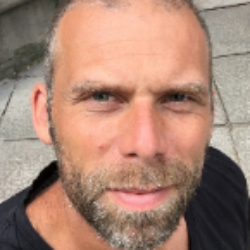 Björn L. Frendeus, PhD, CSO, BioInvent International AB
CSO
BioInvent International ABBjörn Frendéus is the CSO of BioInvent, a Swedish Biotech developing antibody-based treatments for cancer immunotherapy. Björn got his PhD studying innate immune responses to microbial infection. Over the past decades, he has developed a strong interest in understanding the complex biology of antibodies in relation to their targets, and applying his knowledge to develop better antibody-based medicines. Björn’s team conceived and developed the F.I.R.S.T platform from which BioInvent’s current pipeline has emerged. This includes the Company’s proprietary clinical-stage anti-FcgRIIB (BI-1206 and BI-1607) and anti-TNFR2 programs (BI-1808), BT-001 – a clinical-stage oncovirally encoded Treg depleting anti-CTLA-4 antibody co-developed with French vaccine company Transgene, and F.I.R.S.T TAM that BioInvent recently partnered with Pfizer on to develop novel antibodies and targets to tumor-associated myeloid cells with the aim to overcome resistance in the tumor microenvironment. BioInvent is closely collaborating on several of its programs with the Cancer Sciences Division in Southampton, UK, where Björn is a visiting professor. Björn chairs the Swedish Foundation for Strategic Research (SSF)’s expert review committee on Infection Biology.
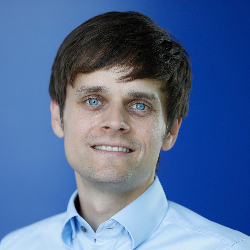 Norbert Furtmann, PhD, Head, Biologics AI & Design, Computational and AI Strategy, Sanofi
Global Head of Biologics AI & Design
SanofiUpon finishing his studies in Pharmaceutical Sciences, Dr. Furtmann pursued his interdisciplinary Ph.D. in Computational Life Sciences and Pharmaceutical Chemistry at the University of Bonn's B-IT (Bonn-Aachen International Center for Information Technology), a leading center for AI and computational research. Since joining Sanofi in 2016, he has held various roles focused on computational and AI-based biologics design. Currently, Dr. Furtmann heads the global Biologics AI & Design teams within Sanofi's Computational and AI Strategy organization, spanning next-generation foundational models, virtual screening and property prediction, and de novo design for next-generation biotherapeutic modalities.
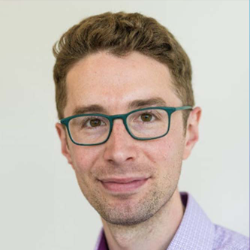 Jake D. Galson, PhD, Vice President, Technology, Alchemab Therapeutics
VP Technology
Alchemab TherapeuticsI am passionate about the development and application of novel technologies in the biotechnology sector. As the Vice President of Technology at Alchemab Therapeutics I am realising this passion through the development of a novel platform which harnesses the natural power of the immune system to discover therapeutics.
Previously I was the Bioinformatics lead at Kymab Ltd, where my group developed the IntelliSelect® antibody discovery software platform. I am one of the pioneers of immune receptor repertoire sequencing, serving as a member of the AIRR community, and authoring numerous publications in the area. I have worked at The Oxford Vaccine Group, GSK Vaccines, and University of Zürich, applying immune repertoire sequencing to further understand basic immunology, as well as in support of vaccine development, diagnostics, and antibody drug discovery.
I hold a BA in Biological Sciences (First Class) and a PhD in Medical Sciences, both from the University of Oxford.
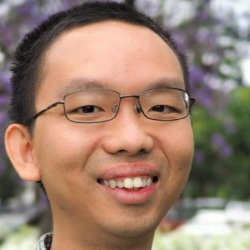 Xiaojing J. Gao, PhD, Assistant Professor, Chemical Engineering, Stanford University
Asst Prof
Stanford UnivDr. Xiaojing Gao is an Assistant Professor of Chemical Engineering from Stanford University. He received a BS in Biology from Peking University and a PhD in Biology from Stanford University. He received his postdoctoral training from Biology and Biological Engineering at Caltech. Some of his recent recognitions include ACS Synthetic Biology Early Career Innovator Award, BioInnovation Institute & Science Prize for Innovation, and NIH’s New Innovator Award (DP2).
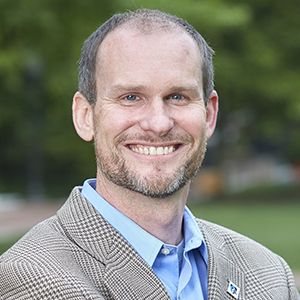 Jeffrey J. Gray, PhD, Professor, Chemical & Biomolecular Engineering, Johns Hopkins University; Director, Rosetta Commons
Professor
Johns Hopkins UnivJeffrey J. Gray is Professor of Chemical and Biomolecular Engineering at the Johns Hopkins University, with joint appointments in the Program in Molecular Biophysics and the Sidney Kimmel Comprehensive Cancer Center (Oncology). He earned his B.S.E. in chemical engineering at the University of Michigan and his Ph.D. in chemical engineering at the University of Texas at Austin, and he completed postdoctoral training at the University of Washington. His research focuses on computational protein structure prediction and design, particularly protein-protein docking, antibody engineering, membrane proteins, protein-carbohydrate interactions, and deep learning. Gray is a Fellow of the AIMBE, and his awards include the AIChE’s David Himmelblau Award, the Beckman Young Investigator Award, the Johns Hopkins Alumni Association Excellence in Teaching Award, and the Capers and Marion McDonald Award for Excellence in Mentoring and Advising. He serves on the editorial board of Proteins, and he is the Co-Director of the Rosetta Commons. He is also the Director of the NSF-supported Rosetta Commons Summer Intern (REU) Program and the Rosetta Commons Post-Baccalaureate Program. At Johns Hopkins he is a member of the Diversity Leadership Council and a co-founder of the Homewood Council on Inclusive Excellence, through which he works to create more inclusive and equitable research environments.
Further information about Prof. Gray and his research group is available at http://graylab.jhu.edu.
He shares on Twitter as @jeffreyjgray.
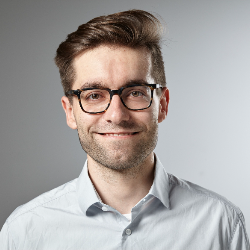 Victor Greiff, PhD, Professor, University of Oslo; CTO, IMPRINT
Prof
University of OsloDr. Victor Greiff is Associate Professor for Computational and Systems Immunology at the University of Oslo. His work focuses specifically on the development of machine learning, computational and experimental tools for the analysis, prediction and engineering of adaptive immune receptor repertoires.
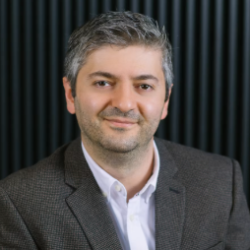 Gevorg Grigoryan, PhD, Co-Founder & CTO, Generate Biomedicines
Co-Founder & CTO
Generate: BiomedicinesSince co-founding Generate:Biomedicines, Gevorg Grigoryan, PhD, has served as Chief Technology Officer, playing a foundational role in establishing the company’s scientific vision and technological backbone. As an architect of The Generate Platform™, Gevorg has led the integration of machine learning and protein science to enable the on-demand generation of novel therapeutics across a wide range of biologic modalities. Under his scientific leadership, Generate:Biomedicines has advanced a growing pipeline of preclinical programs and clinical assets, all rooted in a generative approach to biology. Prior to founding Generate:Biomedicines, Gevorg was a tenured professor at Dartmouth College, where his interdisciplinary research across computer science, chemistry, biology, and physics contributed major insights into the principles of protein structure and function. His academic work was instrumental in demonstrating the feasibility of generative design and continues to inform the scientific direction of the company. Gevorg has authored more than 50 peer-reviewed publications in top-tier journals including Nature, Science, and PNAS. His research has earned recognition from the Alfred P. Sloan Foundation, the National Institutes of Health, the National Science Foundation, and the American Cancer Society. He holds a PhD from the Massachusetts Institute of Technology and dual bachelor’s degrees in Biochemistry and Computer Science. In his role at Generate:Biomedicines, Gevorg remains focused on driving innovation at the intersection of computation and biology and enjoys working with brilliant scientists on some of the toughest challenges in molecular and therapeutic science.
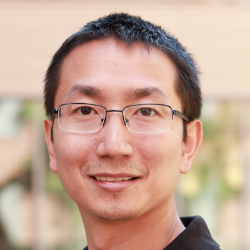 Quanquan Gu, PhD, Associate Professor, Computer Science, University of California Los Angeles
Associate Professor
University of California Los AngelesQuanquan Gu is the Founder and CEO of Geodesic Intelligence and an Associate Professor of Computer Science at UCLA. His research spans artificial intelligence, including large language models, reinforcement learning, deep learning, and optimization, with a particular focus on foundation models for protein therapeutics, AI-driven drug discovery, and AI for science. He received his Ph.D. in Computer Science from the University of Illinois Urbana-Champaign in 2014. He is the recipient of the Sloan Research Fellowship, the NSF CAREER Award, the Simons-Berkeley Research Fellowship, and several industry research awards.
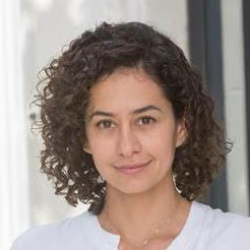 Athena Hadjixenofontos, PhD, Director, Data Science & Head of AI/ML, Biotherapeutics and Genetic Medicines, Discovery Research, AbbVie
Director
AbbVieAthena leads AI/ML initiatives for Biotherapeutics and Genetic Medicine at AbbVie, driven by a personal mission to bring better medicines to patients, faster. Her team have portfolio-level impact by driving AI/ML integration into discovery and development workflows. Prior to joining AbbVie, Athena directed program-embedded, cross-functional drug discovery teams at Recursion Pharmaceuticals, scaling the impact of multi-modal data in accelerating drug discovery timelines. Athena’s curiosity and drive to innovate through cross-pollination have often led her to chart new paths, like leading ML model development teams in finance, where model risk is rigorously managed under federal regulations. Athena holds a PhD in Human Genetics and Genomics from the University of Miami, Miller School of Medicine, and completed her postdoctoral training at Yale.
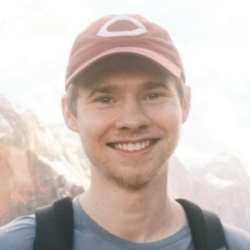 Tom Hayes, Principal Researcher, Biohub, Co-Founder, EvolutionaryScale
Principal Researcher
BiohubThomas Hayes is a Principal Researcher at Biohub, a nonprofit research institute, where he helps lead efforts in protein modeling and design. Hayes studied biology and molecular engineering at the University of Chicago before joining Facebook, where he worked on machine learning for misinformation detection and image and video generation. He later joined the Evolutionary Scale Modeling (ESM) team at Facebook AI Research and went on to co-found EvolutionaryScale. Across these roles, he has helped drive the development of protein foundation models including ESM3, ESMC, and ESMFold2.
 Timothy Hickling, PhD, Consultant, Quasor Ltd; CSO, Open Immune
Independent Immunogenicity Expert
QuasorTim has 15 years’ experience contributing to immunogenicity risk and mitigation strategies for large molecules and advanced therapies at Roche and Pfizer, from early discovery projects to those in clinical development and post-marketing. During the last ten years he has contributed immunology expertise to the development of an in silico immunogenicity model, with the purpose of improving predictions of clinical immunogenicity for drug candidates. Tim previously worked on vaccine development and holds a PhD in Immunology from the University of Oxford.
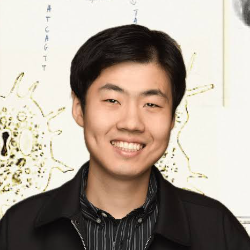 Kexin Huang, PhD, Co-Founder & CEO, Phylo Inc.
Co Founder & CEO
Phylo Inc
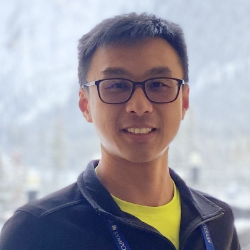 Zhao Huang, PhD, Principal Research Scientist II, Protein Therapeutics, Gilead Sciences Inc
Principal Research Scientist II
Gilead Sciences IncGeorge Huang, PhD, is Principal Research Scientist II in Protein Therapeutics at Gilead Sciences, where he leads an integrated platform combining in vivo and in silico antibody discovery. He has over 12 years of experience in protein engineering and antibody discovery, with a track record of advancing biologics from discovery into the clinic. Previously, he was Head of Antibody Engineering at Apexigen, contributed to the development of CD40 agonist sotigalimab in the clinic, and led a biparatopic, broadly neutralizing antibody program for SARS-CoV-2. Earlier, at AbbVie Stemcentrx, he was senior scientist, protein engineering lead for multi-specific antibody-drug conjugates.
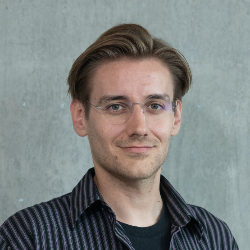 Simon Kohl, PhD, Founder and CEO, Latent Labs
Founder and CEO
Latent LabsSimon is the Founder and CEO of Latent Labs. Formerly, he was Senior Research Scientist at Google DeepMind in London, where he worked on AlphaFold2 and problems in structural biology. Before joining DeepMind, he has obtained a PhD at the German Cancer Research Center in Heidelberg, Germany, where he developed generative models for biomedical image segmentation. Broadly, Simon is interested in developing generative deep neural networks for natural science and real-world applications. His research is often concerned with uncertainty quantification and the generation of multi-modal outputs in problems that allow multiple solutions.
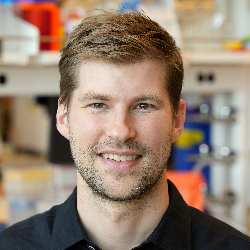 Jake Kraft, PhD, Co-Founder & CEO, Lila Biologics, Inc.
Co Founder & CEO
Lila Biologics, Inc.Dr. Jake Kraft is Co-Founder and CEO of Lila Bio, a Seattle-based biotech using AI to design radiopharmaceuticals for solid tumors. He earned his PhD in Pharmaceutical Sciences from the University of Washington and completed postdoctoral training in Dr. Neil King’s lab at the Institute for Protein Design in Seattle.
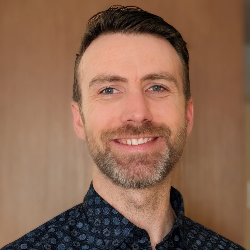 Cody Krivacic, PhD, Principal Scientist, Machine Learning & Computational Protein Design, GSK
Principal Scientist
GSKCody Krivacic is a Principal Scientist at GSK specializing in computational protein design, generative AI, and machine learning for therapeutic discovery. His current research focuses on advanced model development, antibody design, and pioneering agentic workflows for complex therapeutic applications. Previously, as a Principal Scientist and Associate Director at Evercrisp Biosciences - a company co-founded based on his collaborative PhD research at UCSF - he built a company-wide lab-in-the-loop discovery platform and deployed state-of-the-art diffusion and protein language models for in vivo-validated generative design. By seamlessly integrating multimodal AI, physics-based methods, and scalable MLOps infrastructure, Cody is dedicated to accelerating the design-make-test-analyze cycle to engineer highly optimized, novel protein therapeutics.
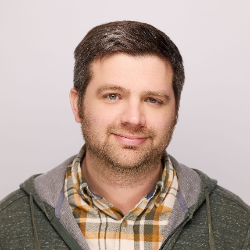 Adrian Lange, PhD, Director, Machine Learning Research, A-Alpha Bio
Director of Research
A-Alpha BioAdrian Lange is the Director of Machine Learning Research at A-Alpha Bio, where he leads a research team developing computational models for protein-protein interactions. Adrian hails from an academic background in physical chemistry as a PhD researcher at the Ohio State University. After a postdoc at Argonne National Laboratory, Adrian sought a career in software engineering at Apple. Later, his career shifted focus toward data science and machine learning, reviving his scientific research roots at biotech companies including Tempus, Evozyne, and currently A-Alpha Bio.
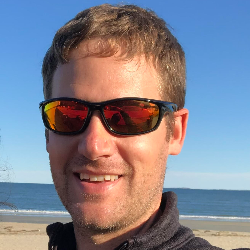 Daniel Leventhal, PhD, Principal Consultant, Tactyl
Principal Consultant
TactylDaniel Leventhal, Ph.D. has over 6 years of experience working at the intersection of immunology and machine learning to predict and mitigate unwanted immunogenicity. Daniel has led teams at Xaira Therapeutics and Generate Biomedicines developing machine learning models and experimental systems to understand and control key immunological processes underpinning the immunogenicity of biotherapeutics. Prior to entering the immunogenicity field, he worked in immune oncology, advancing T-cell receptor therapies and immune-engineered bacteria for cancer treatment. Daniel holds a Ph.D. in Cancer Biology and an M.S. in Translational Sciences from the University of Chicago, where he studied tumor-associated regulatory T-cell development and antigen specificity.
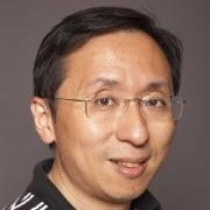 Yuan Lin, Director Digital Biologics Products, Pfizer Inc.
Director Digital Biologics Products
Pfizer IncYuan Lin is the Biologics Business Partner and Solution Lead in Pfizer Digital. He manages, develops, and supports Pfizer Biologics R&D informatics platforms. He has 20+ years of experience in bioinformatics, business system analysis, and software development. Before joining Pfizer in 2017, Yuan was a Senior Principle Business Analyst and Lead Software Engineer at Novartis, focusing on the in-house E2E biologics screening platform and leading the support of a global biologics registration platform. He led the implementation of an industry-first clinical NGS genetic testing data workflow system at GeneDX and built a comparative Genome Browser and Sequence Analysis platform that enabled the sequencing and analyzing of the first individual human genome at J Craig Venter Institute.
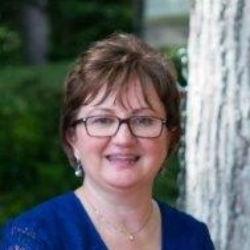 Christina Lingham, Fellow & Executive Director, Conferences, Cambridge Healthtech Institute
Exec Dir Conferences
Cambridge Healthtech InstituteChristina has spent the last 25+ years creating more than 300 events hosted by CHI. She is the creator and driving force behind the PEGS Summit, now in its 18th year, and the Molecular Medicine Tri-conference, now in its 29th year, and has identified and developed emerging topics including bispecific antibodies, genomics, molecular diagnostics, phage display, point-of-care diagnostics, bioinformatics and many more. Christina emphasizes the importance of bringing together the academic and industrial sectors to create environments where innovation is fostered and commercial applications are advanced.
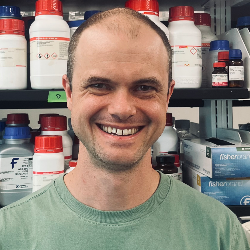 Ryan Mahling, PhD, Postdoctoral Fellow, Department of Physiology and Cellular Biophysics, Columbia University
Postdoctoral Fellow
Columbia UniversityRyan Mahling completed his PhD at the University of Iowa in the Department of Biochemistry and is currently a postdoctoral fellow at Columbia University. Ryan is a structural biochemist by training and his work is focused on understanding the mechanisms that underlie ion channel dysfunction in various diseases. He aims to combine these insights with computational protein design to engineer novel synthetic actuators of ion channel function.
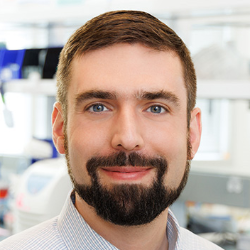 Alexander J. Martinko, PhD, Senior Director, Antibody Engineering & Design, Cartography Biosciences Inc.
Sr. Director, Antibody Engineering
Cartography Biosciences IncAlex Martinko is a scientist, entrepreneur, and leader in antibody engineering and protein sciences, with over a decade of experience developing therapeutic antibody technologies. As the Senior Director of Antibody Engineering and Design at Cartography Biosciences, Alex leads a multidisciplinary team specializing in antibody discovery, computational antibody engineering, and protein science to develop highly specific cancer therapies using bi- and multi-specific antibodies.
Alex earned his PhD in Chemistry & Chemical Biology from UCSF under the mentorship of Dr. Jim Wells. His research included the discovery of novel antibody targets for RAS-driven cancers, which led to a licensing agreement with a major biopharmaceutical company. Additionally, he developed an innovative antibody technology for small molecule regulation of antibody function, which became the foundation for Soteria Biotherapeutics, a venture-backed startup co-founded by Alex to further advance this platform. Prior to joining Cartography, Alex was Senior Director of Antibody Engineering at Soteria Biotherapeutics, where he led a team of scientists in advancing the T-LITEâ„¢ platform. This bispecific T-cell engager technology enables small-molecule-controlled activation, offering a safer and more effective dosing strategy for T-cell engagers. With expertise spanning protein engineering, chemical biology, and cancer immunotherapy, Alex has authored over 20 peer-reviewed publications and patents. He remains dedicated to translating innovative science into transformative therapies that improve patient outcomes.
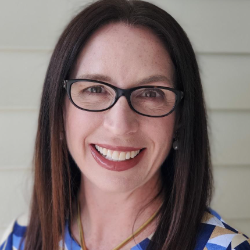 Deborah Moore-Lai, PhD, Vice President, Protein Sciences, ProFound Therapeutics
Vice President
ProFound TherapeuticsDeborah joined ProFound Tx in 2024 as the VP of Protein Sciences to lead protein and antibody development campaigns. Prior to ProFound Tx, Deborah was with Abcam for 5 years, leading the Protein Development and Sequencing Platforms, responsible for protein and sequencing needs for Abcam. Prior to Abcam, she spent 16 years working in both the reagent and therapeutic spaces. For many years she led Antibody Production at Cell Signaling Technology. From there she joined Merck Research Laboratories, where she led the team responsible for antigen & antibody generation within Biologics Discovery.
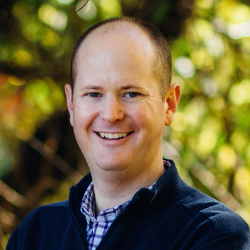 David P. Nannemann, PhD, Vice President, Rosetta Commons Foundation
Managing Member
Rosetta Design GroupDavid is an expert in protein engineering and computational design, with extensive experience applying AI-driven modeling tools in an industry setting. He serves as Vice President of the Rosetta Commons Foundation and Industry Chair on the Rosetta Commons board, helping bridge academic advancements with industry applications. As Managing Member of Rosetta Design Group, he collaborates with companies of all sizes to tackle complex challenges in biologics design. David's deep expertise in leveraging cutting-edge tools like Rosetta, AlphaFold, and diffusion-based models for protein design make him an invaluable guide for participants looking to apply AI-driven biologics design in real-world settings.
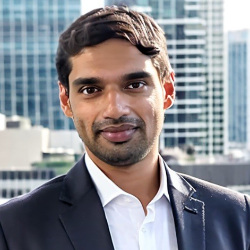 Vivek Natarajan, AI Researcher, Google Deepmind Inc
AI Researcher
Google Deepmind Inc
 Olga Obrezanova, PhD, AI Principal Scientist, Biologics Engineering, Oncology R&D, AstraZeneca
AI Principal Scientist, Biologics Engineering
AstraZenecaDr. Olga Obrezanova is a Principal Scientist in the Augmented Biologics Design group at Biologics Engineering, AstraZeneca, based in Cambridge, UK. With 20 years of experience, Olga specializes in applying machine learning & artificial intelligence and developing computational tools for biologics and small molecules drug discovery. Her work is focused on preclinical immunogenicity assessment of biologics and advancing in silico approaches for predicting immunogenicity and developability.
 Sergey Ovchinnikov, PhD, Helen and Irwin Sizer Career Development Professor, Department of Biology, Massachusetts Institute of Technology (MIT)
Distinguished Science Fellow
Harvard UniversitySergey Ovchinnikov received his B.S. in Micro/Molecular Biology from Portland State University and a Ph.D in Molecular and Cellular Biology from the University of Washington in Seattle. In the lab of Dr. David Baker, Sergey worked on algorithms for protein structure determination using evolutionary information. Currently, Sergey is a John Harvard Distinguished Science Fellow at Harvard University. The Ovchinnikov Lab is interesting in developing a unified statistical model of protein evolution to better understand phylogenetics, protein folding, origins of life/multicellularity, and to mine metagenomic “dark matter†sequences to discover new protein families, functions, and protein-protein interactions.
 Samuel Rodriques, CEO, FutureHouse
CEO
FutureHouse
 Robin Roehm, PhD, CEO & Co-Founder, Apheris
CEO & Co-Founder
ApherisRobin Röhm is co-founder and CEO of Apheris, enabling governed, private, and secure access to life science data for ML. Robin is passionate about helping organizations safeguard their data assets and IP while ensuring it can be leveraged for AI. Having experienced first-hand the challenges of distributed data and regulatory constraints, he understands the need to overcome these to unleash the true value of life science data that’s currently sitting unused in organizations today. It’s this data that will ultimately help us transform drug discovery and development. Prior to Apheris, Robin founded a start-up in the Genomics space, worked in the financial industry, and has degrees in medicine, philosophy, and mathematics.
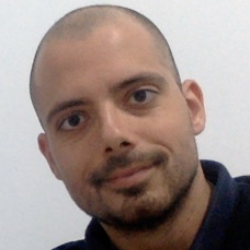 Jorge Roel-Touris, PhD, Head, Biologics Design, Digital Biologics Platform, Large Molecules Research, Sanofi
Head of Biologics Design Group
Sanofi GrpJorge is the Head of the Biologics de novo Design Group at Sanofi. His work focuses on the design of next-generation biologics, integrating computational and experimental approaches to accelerate translation into the clinic. Jorge holds a PhD in Computational Structural Biology from Utrecht University (NL) and was an EMBO postdoctoral fellow in de novo protein design.
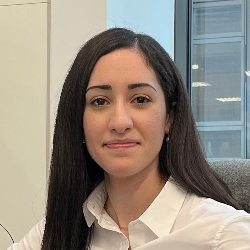 Laila Sakhnini, PhD, Principal Scientist, Biophysics & Injectable Formulation, Novo AS
Principal Scientist
Novo A/SLaila is a Principal Scientist in injectable formulation and biophysics within early-stage research at Novo, Denmark. She obtained a PhD in Biochemistry in 2019 from Lund University, Sweden, and moved to Austria to join Novartis as a Senior Scientist in Global Drug Development. In 2020, she returned to academia as a Postdoctoral Research Associate at the University of Cambridge, UK. Her research interests include experimental and computational work within antibody developability, and study of protein-protein/molecular interactions.
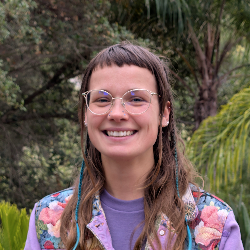 Lonneke Scheffer, PhD, Postdoctoral Researcher, Computational Immunology, La Jolla Institute for Immunology
Postdoctoral Fellow
La Jolla Institute for ImmunologyDr. Lonneke Scheffer is a computational immunologist developing methods for adaptive immune receptor repertoire analysis. She has experience benchmarking predictive tools for immune receptor specificity, and her recent work centers on the standardization and cross-platform integration of immune receptor data in the Immune Epitope Database.
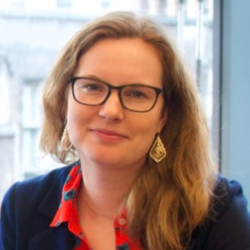 Franziska Seeger, PhD, Senior Director, AI for Drug Discovery, Genentech Inc.
Sr Dir AI for Drug Discovery
Genentech IncDr. Franziska Seeger is a protein biophysicist who uses computational modeling to address challenges in biomedicine. Her doctoral research at the University of Maryland Baltimore County and Lawrence Berkeley National Laboratory helped explain the activation mechanism of a key drug target for cardiovascular diseases. She then pursued postdoctoral research with David Baker at the Institute for Protein Design, where she engineered new inhibitors against autoimmune disease targets. Dr. Seeger has consulted on protein biophysics and design, and has worked in protein engineering and machine learning at organizations like Amazon and Novo Nordisk.
Currently, Dr. Seeger leads a strategic group focused on applying advanced machine learning techniques to Roche’s antibody portfolio within the Artificial Intelligence for Drug Discovery Department at Genentech.
Outside of work, Dr. Seeger enjoys outdoor activities such as running, mountain biking, (backcountry) skiing, horseback riding, and hiking/backpacking. Indoors, she practices yoga and meditation, and enjoys cooking and reading.
https://www.linkedin.com/in/fseeger/
https://www.youtube.com/watch?v=SIdS8bUZT7c&ab_channel=LadyScientistPodcast
https://www.bakerlab.org/index.php/2019/03/27/franziska-seeger-profile/
 Yi Shi, PhD, Associate Professor, Protein Engineering, Icahn School of Medicine, Mount Sinai
Associate Professor
Icahn School of Medicine at Mount SinaiDr. Yi Shi is an Associate Professor and Director of the Center for Protein Engineering and Therapeutics at the Icahn School of Medicine at Mount Sinai. His lab develops cutting-edge technologies in protein and antibody engineering, with a focus on camelid VHH antibodies, commonly known as nanobodies.
Dr. Shi’s team has pioneered proteomics and machine learning–based platforms for the high-throughput discovery of nanobody repertoires. These approaches enable the identification of thousands of high-affinity nanobodies targeting diverse epitopes on disease-associated antigens. His lab applies these technologies to tackle key challenges in cancer biology, virology, and diabetes, with the goal of advancing both fundamental understanding and the development of next-generation therapeutics.
Dr. Shi received his PhD from Baylor College of Medicine in 2011.
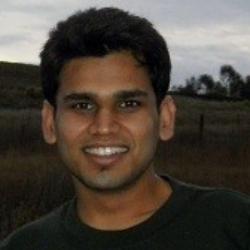 Rohit Singh, PhD, Research Scientist, Computer Science & AI Lab, Massachusetts Institute of Technology
Research Scientist
Massachusetts Institute of TechnologyDr. Rohit Singh is an Assistant Professor in the Departments of Biostatistics & Bioinformatics and Cell Biology at Duke University. His research interests are broadly in computational biology, ranging from protein design and small-molecule drug discovery to causal regulatory inference, with a particular interest in probing biological foundation models to better understand the biology they capture. He is the recipient of Duke's Whitehead Scholar Award, the Test of Time Award at RECOMB, MIT's George M. Sprowls Award for his PhD thesis in Computer Science, and Stanford's Christopher Stephenson Memorial Award for Masters Research. In addition to academia, he has experience in quantitative finance.
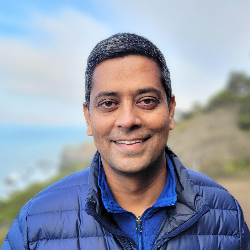 Arvind Sivasubramanian, PhD, Director, Computational Biology & Platform Technologies, Adimab LLC
Dir Computational Biology & Platform Technologies
Adimab LLCDr. Arvind Sivasubramanian is a Director, Computational Biology and Platform Technologies, at Adimab LLC. In this role, he oversees a group involved in hybrid computational-experimental activities for the discovery and optimization of antibody and TCR biologics. His expertise includes the design of synthetic IgG and TCR libraries, the structure-based design of bispecific antibodies, and in silico predictions of antibody-antigen interactions. He received his Ph.D. in Chemical Engineering from Drexel University, Philadelphia, PA, after which he completed a post-doc in antibody:antigen docking with Prof. Jeff Gray at Johns Hopkins University, Baltimore, MD.
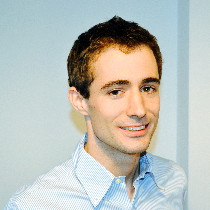 Pietro Sormanni, PhD, Associate Professor & Royal Society University Research Fellow, Chemical Engineering, Imperial College London
Associate Professor and Royal Society University Research Fellow
Imperial College LondonPietro Sormanni is an Associate Professor and Royal Society University Research Fellow at Imperial College London. His group develops computational and experimental methods for antibody and biomolecule design, integrating model development with the measurements needed to train, validate and apply these tools. Their work focuses on computational antibody-design technologies to transform antibody discovery and engineering, with industrial and academic collaborations demonstrating faster and more cost-effective routes than traditional approaches. Before joining Imperial, Pietro led a research group at the University of Cambridge, having previously been a Borysiewicz Biomedical Sciences Postdoctoral Fellow. He holds a PhD in Chemistry and an MSc in Theoretical Physics.
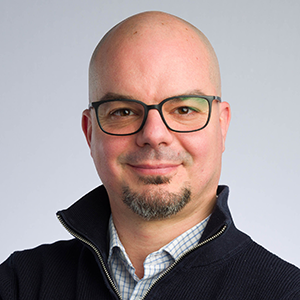 Roberto Spreafico, PhD, Senior Director, Biologics AI Innovation, AstraZeneca
Senior Director, Biologics AI Innovation
AstraZenecaRoberto Spreafico is Senior Director, Biologics AI Innovation at AstraZeneca. After earning an MSc in Biotechnology and a PhD in Immunology from the University of Milano-Bicocca in Italy, Roberto spent 10 years in the USA. There, he worked for institutions such as the University of California Los Angeles, Synthetic Genomics, and Vir Biotechnology, where he was the lead computational biologist on the team that developed Sotrovimab during the COVID-19 pandemic. Since returning to Europe, he has held managerial roles at GlaxoSmithKline, Absci and Genmab before joining AstraZeneca in February 2026. His expertise encompasses immunology, genomics, bioinformatics, protein engineering and artificial intelligence.
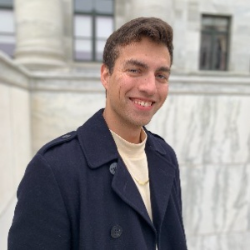 Samuel Stanton, PhD, Member, Technical Staff, Anthropic; Co-Founder, Coefficient Bio
Member of Technical Staff
AnthropicI am interested in foundational machine learning research with applications that promote human flourishing, particularly the life sciences. I wish to understand the best way to build self-sustaining intelligent systems that automatically collect and incorporate the necessary information to solve difficult optimization problems, such as black-box optimization and adaptive control problems. Applications of my work include lab-in-the-loop systems for antibody engineering and therapeutic pipeline portfolio strategy.
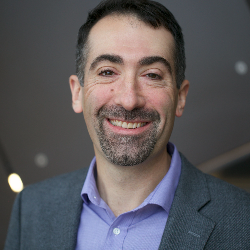 Peter M. Tessier, PhD, Albert M. Mattocks Professor, Pharmaceutical Sciences & Chemical Engineering, University of Michigan
Albert M Mattocks Professor
University of MichiganPeter Tessier is the Albert M. Mattocks (Endowed) Professor in the Departments of Chemical Engineering, Pharmaceutical Sciences and Biomedical Engineering, and a member of the Biointerfaces Institute at the University of Michigan in Ann Arbor, MI. He received his Ph.D. in Chemical Engineering from the University of Delaware (2003, NASA Graduate Fellow) and performed his postdoctoral studies at the Whitehead Institute for Biomedical Research at MIT (2003-2007, American Cancer Society Fellow). Tessier started his independent career as an assistant professor in the Department of Chemical & Biological Engineering at Rensselaer Polytechnic Institute in 2007, and he was an endowed full professor at Rensselaer prior to moving to the University of Michigan in 2017. Tessier’s research focuses on designing, optimizing, characterizing and formulating a class of large therapeutic proteins (antibodies) that hold great potential for detecting and treating human disorders ranging from cancer to Alzheimer’s disease. He has received a number of awards and fellowships in recognition of his pioneering work: Pew Scholar Award in Biomedical Sciences (2010-2014), Humboldt Fellowship for Experienced Researchers (2014-2015), Young Scientist Award from the World Economic Forum (2014), Young Investigator Award from the American Chemical Society (2015) and NSF CAREER Award (2010-2015).
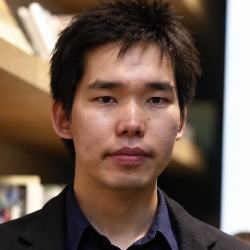 Masatoshi Uehara, PhD, Member, Technical Staff, OpenAI
Member
OpenAI
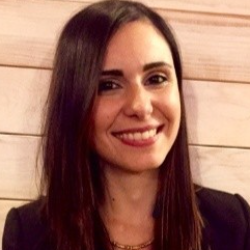 Anna Vangone, PhD, Director of AI/ML Large Molecule for Drug Discovery, Computational Science Center of Excellence, Roche/Genentech
Director of ML/AI Large Molecule Drug Discovery
F Hoffmann La Roche AGAnna is Director of ML/AI for Large Molecule Drug Discovery at Roche/Genentech in Basel (Switzerland). In Roche, she leads an interface focused on developing and applying machine learning methods for therapeutic antibody design and discovery. Previously, she was scientist and project leader at Roche Innovation Center Munich (Germany). She specialized in computational structure biology, machine learning approaches for protein design, protein-protein interactions, discovery and engineering of therapeutic antibodies. Anna obtained her PhD from University of Salerno (Italy), with a visiting PhD at the University of Oxford (UK). She was also Marie Sklodowska-Curie postdoctoral fellow at University of Utrecht (NL) and was invited scientist at leading institutions, including IRB Barcelona (Spain) and KAUST (Saudi Arabia). She maintains strong connections with academic institutions, working on joint projects, serving as an external lecturer and industry supervisor for students.
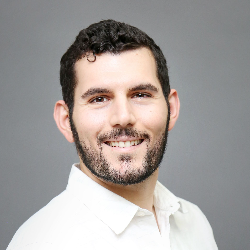 Michail Vlysidis, PhD, Principal Engineer, AbbVie
Principal Engineer Technology
AbbVieDr. Vlysidis obtained his PhD in Chemical Engineering at the University of Minnesota, Twin Cities, studying and modeling the stochasticity of biochemical reaction networks. With over 6 years of experience in the industry, he has made significant contributions to the fields of scientific software development and engineering. Currently serving as a team leader at AbbVie, Dr. Vlysidis' primary focus is on supporting the biologics organization in capturing and analyzing experimental data. He possesses a deep understanding of protein properties and leverages innovative protein language models to further enhance research in this area. Prior to joining AbbVie, he worked at Intel, where his expertise was instrumental in supporting R&D research on semiconductors and cutting-edge technology. With a strong academic background and industry experience, Dr. Vlysidis is dedicated to driving advancements at the intersection of chemical engineering, software development, and AI/ML models.
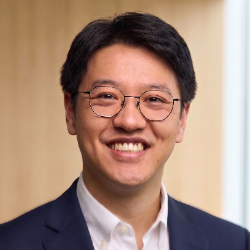 Ye Wang, PhD, Principal Scientist, Machine Learning, Biogen
Senior Scientist
BiogenYe Wang is a Principal Scientist at Biogen, where he leads a machine learning group focused on accelerating drug discovery and design by generative modeling. He spans deep generative models for both small molecule and antibody design, as well as reinforcement learning for multi-objective molecular/antibody optimization. He received his Ph.D. in computer science from Auburn University.
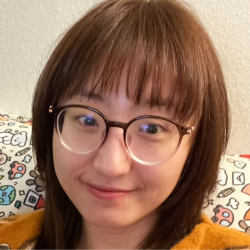 Yulei Zhang, PhD, Senior Advisor, Eli Lilly and Company
Senior Advisor
Eli LillyYulei is a computational scientist focused on antibody discovery and engineering. She holds a BS in Chemical Engineering from Beijing University of Chemical Technology and Rutgers University, and an MS and PhD in Chemical Engineering from the University of Michigan, where she studied under Prof. Peter M. Tessier, predicting antibody biophysical properties to improve drug development. At Eli Lilly she works on the in silico discovery of binders from immune repertoires against challenging targets such as GPCRs.
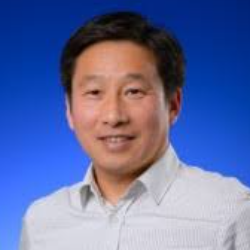 Hao Zheng, Senior Director, AI/ML Product Lead, Eli Lilly
Senior Director
Eli Lilly