KEYNOTE: Is AI-Driven Antibody Discovery a Data Driven Sport?
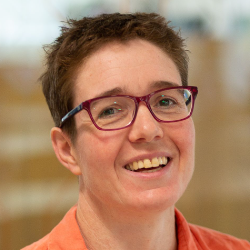 Charlotte M. Deane, PhD, Professor, Structural Bioinformatics, Statistics, University of Oxford; Executive Chair, Engineering and Physical Sciences Research Council (EPSRC)
YOUNG SCIENTIST KEYNOTE PRESENTATION: Generative Design of Evolution-Resilient Antiviral Biologics
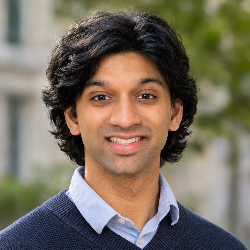 Pranam Chatterjee, PhD, Assistant Professor, Bioengineering, University of Pennsylvania
PANEL DISCUSSION: FROM MECHANISM TO MODALITY: Smarter Drug Design in Autoimmunity
Panel Moderator:
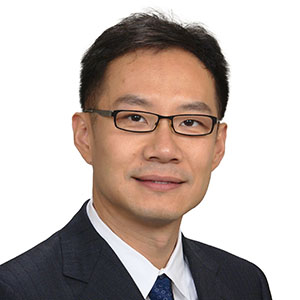 Yang Shen, PhD, Vice President, Bispecifics & Antibody Engineering, Regeneron Pharmaceuticals, Inc.
Panelists:
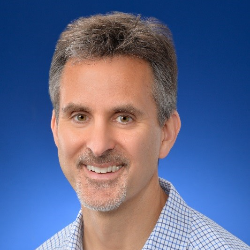 Stephen Demarest, PhD, CSO, Tentarix Biotherapeutics
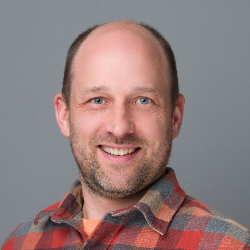 Ryan Larson, PhD, SVP, Head of Research, Umoja Biopharma
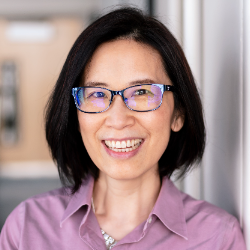 Qizhi Tang, PhD, Professor, Immunology, University of California, San Francisco; Co-Founder, Sonoma Biotherapeutics
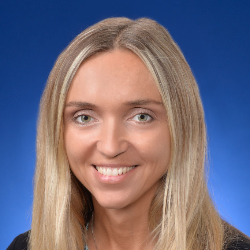 Kira Rubtsova, PhD, Associate Vice President, Eli Lilly and Company
FIRESIDE CHAT: FROM DISCOVERY TO IMPACT: Perspectives from a Patient Advocate and a Patient Cohort Leader on Accelerating Therapeutic Innovation
Panel Moderator:
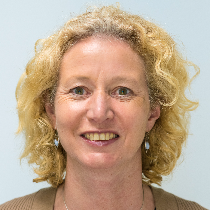 Jane Osbourn, PhD, CEO, Alchemab Therapeutics Ltd.
Panelists:
 Craig Ritchie, PhD, CEO & Founder, Scottish Brain Sciences
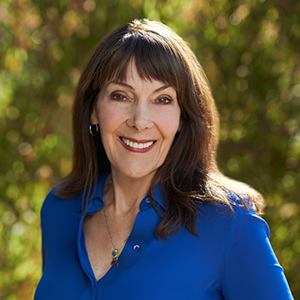 Debra Miller, Founder & CEO, CureDuchenne
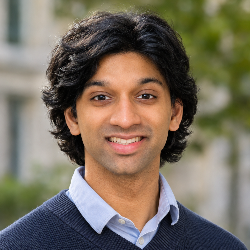 Pranam Chatterjee, PhD, Assistant Professor, Bioengineering, University of Pennsylvania
Pranam Chatterjee is an Assistant Professor of Bioengineering and Computer and Information Science and the Africk-Lesley Distinguished Scholar of Innovation at the University of Pennsylvania. Having earned his SB, SM, and PhD from MIT, Professor Chatterjee has received the MIRA Award, Hartwell Individual Biomedical Research Award, and multiple NIH and foundation grants for his work. He has also co-founded Gameto, Inc., UbiquiTx, Inc., AtomBioworks, Inc., and Recognition Bio, Inc., which translates his research into fertility solutions, RNA medicines, and cancer therapeutics, respectively.
Charlotte M. Deane, PhD, Professor, Structural Bioinformatics, Statistics, University of Oxford; Executive Chair, Engineering and Physical Sciences Research Council (EPSRC)
Charlotte Deane MBE FRS is Professor of Statistics at the University of Oxford, Executive Chair of the Engineering and Physical Sciences Research Council (EPSRC) and Co-Founder of Dalton Tx. She leads the Oxford Protein Informatics Group, developing open-access algorithms and tools widely used in academia and industry for drug discovery. A member of SAGE during the COVID-19 pandemic, she also served as UKRI’s COVID-19 Response Director. Charlotte is a Fellow of both the Royal Society and International Society for Computational Biology, and advises on the UK’s AI for Science strategy and the £8 million OpenBind initiative advancing AI-driven drug discovery.
Stephen Demarest, PhD, Chief Scientific Officer, Tentarix Biotherapeutics
Stephen Demarest has 24 years of antibody and multi-specific protein development experience in both biotech and pharma. He contributed to more than 10 molecules that reached IND-enabling studies and managed departments that moved many more. Stephen’s career began as a scientist at Syngenta and Diversa before moving into the role of Associate Director of Protein Sciences at Biogen Idec. Before coming to Tentarix, Stephen was the head of Lilly’s Protein Engineering and Computational Biotherapeutics Departments and a liaison to Immunology and Oncology. Stephen is a co-developer of Lilly’s OrthoMab bispecific technology with partners at UNC Chapel Hill and used the technology to bring many bispecific monoclonal antibodies into development, including with external partners. The technology has also been licensed by AbCellera. Stephen has >50 publications and is an inventor on >20 granted patents and applications. Stephen holds a B.S. in Chemistry from Texas A&M University and a Ph.D. in Chemistry from SUNY Stony Brook. His postdoctoral studies were at The Scripps Research Institute.
Ryan Larson, PhD, Senior Vice President and Head of Research, Umoja Biopharma
Ryan Larson, PhD, is Senior Vice President and Head of Research at Umoja Biopharma, where he leads research advancing the company's VivoVec in vivo CAR T cell platform. Before joining Umoja in 2021, he led the Cell Therapy Product and Analytical Development team at Bristol-Myers Squibb, contributing to the commercialization of two FDA-approved CAR T cell therapies. Earlier in his career, he was a member of the Translational Research team at Juno Therapeutics and held a role at Thermo Fisher Scientific developing analytical technologies for immuno-oncology and cell therapy. Dr. Larson holds a PhD in Immunology from the University of Washington and is a named inventor on multiple cell-therapy patents.
Debra Miller, Founder & CEO, CureDuchenne
Debra Miller is Chief Executive Officer and Founder of CureDuchenne, a nonprofit organization dedicated to finding and funding a cure for Duchenne muscular dystrophy, a degenerative neuromuscular disease. She founded CureDuchenne in 2003 after her only son, Hawken, was diagnosed with Duchenne and very little was known about the disease. At the time, there were no available treatments and no hope for a cure.
Today, CureDuchenne is recognized as a global leader in research, patient care, and innovation for improving and extending the lives of those with Duchenne. CureDuchenne’s innovative venture philanthropy model has advanced transformative treatments for Duchenne muscular dystrophy, including 19 projects that advanced to human clinical trials and multiple projects to overcome the limitations of exon-skipping and gene therapy. In addition, CureDuchenne contributed early funding to the first FDA-approved Duchenne drug, pioneered the first and only Duchenne physical and occupational therapist certification program and created an innovative biobank and data registry, accelerating research toward a cure.
Prior to creating CureDuchenne, Debra worked in publishing with positions at IDG Communications, Cahners Publishing, Ziff-Davis Publishing, Scholastic Publishing, and more. Miller holds a Bachelor of Arts in Communication Studies from the University of California Los Angeles.
She currently serves on the Alliance for Regenerative Medicine Board, Department of Defense's Congressionally Directed Medical Research Committee Programmatic Panel, and the Bespoke Gene Therapy Consortium, to name a few. Debra has received numerous awards, including the EY Entrepreneur of the Year™ Award and Orange County Business Journal’s Women in Business Award.
Jane Osbourn, PhD, CSO, Alchemab Therapeutics Ltd.
Jane is Chief Scientific Officer at Alchemab Therapeutics, which focusses on identifying self-protective antibodies as therapies for neurodegeneration and oncology. She was an early employee of Cambridge Antibody Technology, which became MedImmune, the biologics arm of AstraZeneca, where she contributed to the development of phage display technology, authored many key publications and patents, and contributed to the discovery and development of eight marketed drugs. She is passionate about the development of the biotechnology sector and served as Chair of the UK BioIndustry Association from 2015-2019. She is also the Chair of Mogrify, a Cambridge-based cell-therapy company, a Director of Cambridge Enterprise, and of Babraham Research Campus. In 2019 she was awarded an OBE for services to drug discovery, development and biotechnology, and the Scrip Lifetime Achievement Award for contribution to the pharma industry.
Craig Ritchie, PhD, CEO & Founder, Scottish Brain Sciences
Bio to be Announced
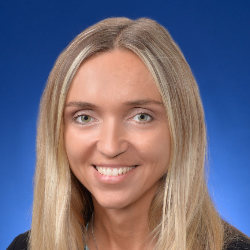 Kira Rubtsova, PhD, Associate Vice President, Eli Lilly and Company
Kira Rubtsova, PhD, is Associate Vice President of Immunology Discovery at Eli Lilly and Company in San Diego, where she leads the B cell group within Immunology Research, focused on B cell targeting therapies for autoimmune disease. She earned her PhD in immunology at the University of Colorado under Dr. John Kappler, studying TCR-MHC interactions. As a postdoctoral fellow with Dr. Pippa Marrack at National Jewish Health in Denver, she discovered Age-Associated B cells, a B cell subset implicated in autoimmunity.
Yang Shen, PhD, Vice President, Bispecifics and Antibody Engineering, Regeneron Pharmaceuticals
Yang Shen, Ph.D., is Vice President and Head of Bispecifics and Antibody Engineering at Regeneron Pharmaceuticals, where Yang leads the development of next-generation antibody technologies and therapeutics across a broad range of disease areas. Yang founded Regeneron’s Antibody Engineering Group, co-chaired the Protein Therapeutics Pipeline Technology Section, and played a key role in establishing the company’s multi-specific Altibody platform. Prior to joining Regeneron, Yang held scientific and leadership positions at ImClone Systems and Eli Lilly, contributing to the advancement of multiple oncology antibody and bispecific antibody programs into the clinic. Yang earned a B.S. in Biotechnology from Peking University and completed Ph.D. and postdoctoral training in structural biology at Columbia University. Throughout his career, Yang has helped drive innovation in antibody engineering, structural based design and multi-specific design & development.
Qizhi Tang, PhD, Professor, Immunology, University of California, San Francisco; Co-Founder, Sonoma Biotherapeutics
Qizhi Tang, Ph.D., is a professor of Immunology in the UCSF Diabetes Center, the Department of Surgery, the Gladstone-UCSF Institute of Genomic Immunology. She holds the Bluestone and Rosenkrantz Immune Tolerance Professorship in Diabetes at UCSF. Her research focuses on advancing regulatory T cell (Treg) therapies to induce immune tolerance. Currently, her laboratory investigates key determinants of human Treg antigen specificity, persistence, and lineage stability to guide the development of next-generation Treg therapies. By integrating basic discovery and translational immunology, her work aims to improve the efficacy and durability of cell-based therapies for autoimmune disorders and transplant rejection.